Long Island mornings have a way of creeping up on you. One day you’re enjoying comfortable autumn drives along Sunrise Highway, and the next you’re scraping frost off your windshield before your morning commute. For Mercedes-Benz owners in Massapequa and across Nassau County, that temperature drop signals more than just a wardrobe change—it’s your cue to think seriously about your tires. Here’s the truth most drivers don’t realize: by the time snow starts falling, you’ve already been driving on compromised rubber for weeks. The key to protecting both your luxury investment and your family’s safety lies in understanding one critical number: 45 degrees Fahrenheit. Whether you drive a powerful AMG®, a refined C-Class, or a versatile GLE, knowing when to visit our Mercedes-Benz Tire Center in Amityville can make all the difference between confident control and white-knuckle driving this winter.
Why 45 Degrees is the Magic Number for Mercedes-Benz Traction
The 45-degree threshold isn’t some arbitrary marketing gimmick—it’s rooted in tire rubber chemistry. Summer tires and many all-season tires perform beautifully when temperatures stay warm, delivering excellent grip and the sporty feel your Mercedes-Benz is known for. But when temperatures consistently drop below 45°F, something changes at the molecular level. The rubber compounds stiffen and harden, much like cold butter. This stiffening reduces the tire’s ability to conform to the road surface, which directly translates to less grip—even on dry pavement.

For Nassau County drivers facing morning temperatures in the 30s and 40s from November through March, this isn’t just a winter problem—it’s an autumn problem too. Long Island sees consistent below-45-degree temperatures starting in mid-November, often before the first snowflake falls. When your summer tires harden in cold weather, they lose the pliability needed for strong road contact, meaning longer braking distances and reduced cornering stability. Winter tires stay flexible even when temperatures plunge below freezing, maintaining critical road contact that keeps you safely in control.
The Science: What Happens to Summer Rubber When It Freezes?
Understanding what happens inside your tire when temperatures drop explains why this matters for high-performance vehicles. Summer tire compounds contain higher amounts of synthetic rubber, which provides excellent dry-weather traction. However, synthetic rubber becomes rigid when exposed to cold temperatures. Think of it like a hockey puck on ice—hard, inflexible, unable to grip the surface.
Once temperatures drop below 45°F, the tread compound loses its ability to create the micro-level contact points needed for traction. Even on dry roads, this reduces grip significantly, meaning longer stopping distances and decreased emergency maneuvering ability. Winter tires solve this with unique rubber formulation—specific oils and additives keep rubber supple in freezing conditions. This means shorter stopping distances and confident handling when Nassau County roads get slick from morning frost. When you schedule your seasonal tire swap online, you ensure your Mercedes-Benz has the right rubber for the conditions.
Massapequa Drivers: Why “Snow” Isn’t the Only Warning Sign
Many Long Island drivers operate under a dangerous misconception: winter tires are only necessary when snow is actively falling. This mindset leaves you vulnerable for weeks before winter truly arrives. In Massapequa, average November temperatures already regularly drop into the low 40s, particularly during early morning commutes. By December, overnight lows frequently dip into the 20s and 30s, meaning your tires are operating in compromised conditions well before any accumulation appears. This is especially critical for Nassau County’s driving environment, where Sunrise Highway, the Southern State Parkway, and Merrick Road see heavy morning and evening traffic when temperatures are at their coldest.

The danger intensifies when you consider Long Island’s notorious pothole season, which begins in late autumn as freeze-thaw cycles start damaging road surfaces. When your summer tires are already stiffened from cold temperatures, hitting an unexpected pothole becomes even more jarring and potentially damaging to your wheels and suspension. Nassau County also sees plenty of morning frost, unexpected sleet, and icy patches that form on bridges even when the forecast doesn’t call for snow. These conditions catch drivers by surprise, and if you’re still running on summer tires, your vehicle simply won’t respond the way you expect.
Winter Tires vs. All-Season: Which is Right for Your AMG® or C-Class?
The eternal debate among Mercedes-Benz owners often centers on whether dedicated winter tires are truly necessary or if quality all-season tires can handle Long Island winters. All-season tires are designed as a compromise—they aim to provide acceptable performance across a range of conditions. However, if you drive a performance vehicle like an AMG® with sport-tuned suspension, or even a C-Class with dynamic handling characteristics, all-season tires represent a significant performance sacrifice in cold weather.
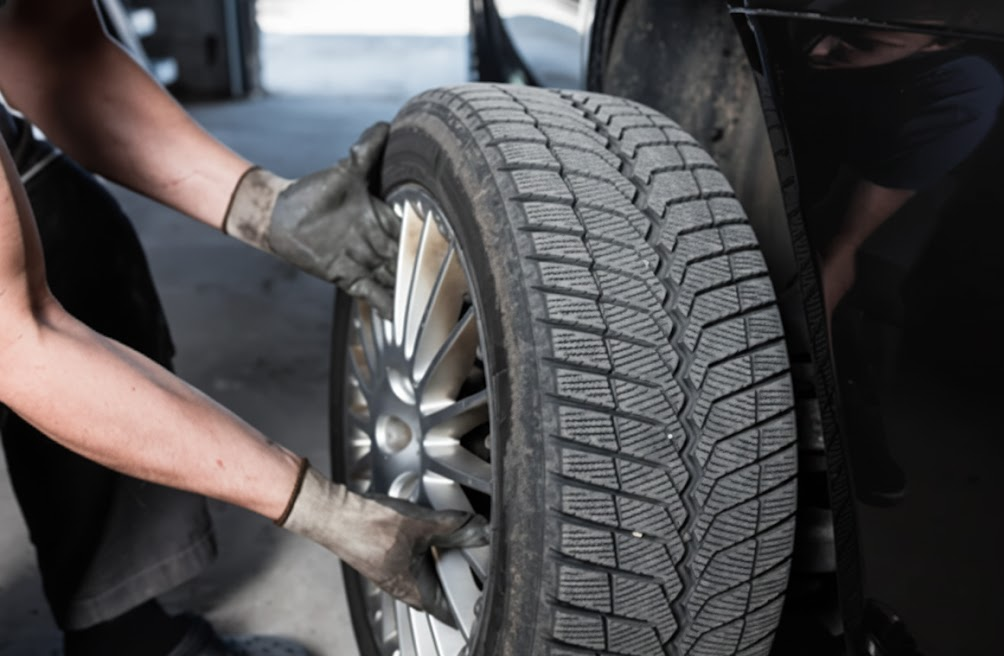
Dedicated winter tires offer dramatically superior performance once temperatures drop below 45 degrees. Independent testing shows that winter tires can improve braking distances by up to 30 percent compared to all-season tires in cold conditions—a difference that could mean avoiding a collision entirely. The tread patterns on winter tires are specifically designed with deeper grooves and more biting edges to channel away slush and maintain contact with icy surfaces. If you want your Mercedes-Benz to perform at its best year-round, the investment in a dedicated winter tire set is worthwhile—and our service team makes the seasonal swap process straightforward.
The “Thanksgiving to Tax Day” Strategy for Long Island
Timing your winter tire installation correctly makes all the difference between being prepared and being caught off guard. For Massapequa and Nassau County drivers, we recommend a simple memory aid: Thanksgiving to Tax Day. Install your winter tires around Thanksgiving week—typically mid-to-late November—and keep them on until mid-April. This timeframe perfectly aligns with Long Island’s weather patterns, capturing the entire period when temperatures consistently threaten to drop below 45 degrees.
Scheduling your installation for mid-November means you beat the seasonal rush that inevitably hits tire shops once the first snow forecast appears. You get your preferred time slot and avoid waiting weeks for availability. This approach also ensures you’re protected during those unpredictable autumn cold snaps and early spring freezes—Long Island is notorious for throwing curveball weather events in November and late March that can make driving treacherous. When you come in for your tire swap, we can perform a complimentary alignment check to ensure your vehicle tracks straight and true.
How Winter Tires Enhance Your 4MATIC® System
If you drive a Mercedes-Benz with 4MATIC® all-wheel drive, you might wonder whether winter tires are truly necessary. After all, 4MATIC® intelligently distributes power to all four wheels. However, here’s the truth: 4MATIC® can only work with the grip your tires provide. If your tires can’t grip the road, even the most advanced all-wheel-drive system becomes less effective.
Winter tires transform your 4MATIC® Mercedes-Benz into an exceptionally capable winter vehicle. The combination of intelligent power distribution and superior cold-weather grip creates genuinely confidence-inspiring driving in challenging conditions. This is noticeable during acceleration on slippery surfaces and during braking, where winter tires provide necessary grip for optimal anti-lock braking system function. Our service team understands exactly which winter tire specifications work best with your specific model.
Common Winter Tire Myths Debunked
Despite their proven benefits, winter tires are surrounded by persistent myths. Let’s address the most common misconceptions:
- Myth: Winter tires are only needed for heavy snow. Winter tires provide benefits anywhere temperatures regularly drop below 45 degrees, regardless of snowfall. Even on dry, cold pavement, winter tires outperform summer tires.
- Myth: Installing winter tires on just the drive wheels is sufficient. This is dangerous. Installing winter tires on only two wheels creates traction imbalance that can lead to unpredictable handling. Your vehicle needs consistent grip at all four corners.
- Myth: All-season tires work fine year-round. All-season tires are a compromise. Below 45°F, they can’t match winter tire performance for braking or cornering grip.
- Myth: Winter tires cost twice as much. You’re splitting wear between two sets, each lasting longer. You’re not wearing down summer tires for five months.
Proper seasonal tire swaps include opportunities for our technicians to inspect wheels and identify potential issues early. When properly maintained, winter tires last many years. The National Highway Traffic Safety Administration emphasizes winter preparation in their safety guidelines.
Winter Tire Comparison Table
| Tire Type |
Optimal Temperature |
Snow/Ice Traction |
Dry Cold Grip |
Best For |
| Summer Performance |
Above 50°F |
Poor |
Poor below 45°F |
Warm weather, AMG® performance |
| All-Season |
40°F and above |
Moderate |
Moderate |
Mild climates |
| Winter/Snow |
Below 45°F |
Excellent |
Excellent |
Long Island winters |
Note: Performance based on tire industry testing standards for temperatures below 45°F.
Beyond Tires: Complete Winter Preparation
While winter tires are the most important factor in cold-weather safety, they’re one component of comprehensive winter preparation. Battery health becomes critical as temperatures drop—cold weather significantly reduces battery capacity, and you don’t want to be stranded with a dead battery on a freezing Massapequa morning. If your battery is over three years old, have it professionally tested.

Windshield wipers and washer fluid also need winter-specific attention. Standard wiper blades can freeze and become ineffective, while winter-grade blades stay flexible in freezing temperatures. Your windshield washer fluid should be rated for sub-zero temperatures—Long Island can see temperatures well below freezing, and frozen washer fluid creates dangerous visibility problems when you need to clear salt spray. Our service team can handle these winter preparation tasks during your tire swap appointment. We can coordinate your winter tire installation with other essential maintenance like your Service A and B maintenance intervals, maximizing convenience.
Frequently Asked Questions
Q: Is 45 degrees really the limit for summer tires?
A: Yes, below 45°F, summer tire compounds harden significantly, drastically reducing grip even on dry pavement. The rubber loses flexibility and can’t properly conform to the road surface, leading to longer braking distances.
Q: Can I just keep my all-season tires on my Mercedes-Benz year-round?
A: While possible, dedicated cold-weather tires provide dramatically better stopping distance in temperatures below 45°F. Testing shows winter tires can improve braking distances by up to 30 percent compared to all-season tires in cold conditions.
Q: When should I switch back to summer tires in Massapequa?
A: We recommend the “Tax Day” rule—mid-April, or when daily lows are consistently above 50°F. This timing ensures you’re protected through variable spring weather while avoiding unnecessary wear during warm weather.
Q: Do I need to replace all four tires or just two?
A: Always replace all four. Mixing winter and summer tires creates dangerous handling imbalances, especially with 4MATIC® systems. Your vehicle needs consistent traction at all four corners.
Q: Does the Tire Center store my summer tires for me?
A: Yes, we offer seasonal tire storage solutions that eliminate the hassle of finding space at home. Ask our service advisors about tire storage options when you schedule your installation.
Schedule Your Winter Tire Swap in Amityville Today
Don’t let compromised tires put you and your family at risk this winter. The factory-trained experts at Mercedes-Benz of Massapequa Service Center are here to ensure your vehicle has the right tires for Long Island’s demanding cold-weather conditions, whether you drive a brand-new AMG® or a trusted C-Class that’s been serving you reliably for years. We have the specialized diagnostic tools, genuine Mercedes-Benz-approved winter tires, and model-specific knowledge to handle your tire swap efficiently and correctly.
With Nassau County’s temperatures regularly dropping below 45 degrees from November through April, and morning frost appearing even earlier than you’d expect, waiting to address your tire situation only makes the problem worse and potentially more dangerous. Our comprehensive approach identifies exactly which winter tire options work best with your specific Mercedes-Benz model and your driving needs, ensuring you get appropriate service that maximizes both safety and performance rather than just a generic tire swap that fails when you need grip most.
Click here to schedule your winter tire installation and get back to confident driving!
Or visit us at Mercedes-Benz of Massapequa Service Center, 101 E. Sunrise Highway, Amityville, NY 11701, and let our certified technicians ensure your winter tires keep you safe and in control throughout Long Island’s demanding cold weather season.
